Black History Month, observed each February, is a time to celebrate the lives and accomplishments of all those in the African American community. While we should all celebrate Black History every month, this dedicated time allows everyone to share, remember, and embrace the influence of Black heritage and culture. To celebrate Black History Month, we chose 11 inspiring poems to explore the rich tradition of Black poetry. Although these poems serve as just the tip of the iceberg of what needs to be commemorated, the lasting inspiration of literature allows for the injustices, accomplishments, and thoughts of the black community to always shine and be expressed. Be sure to check out some inspiring Black History Month poems below!
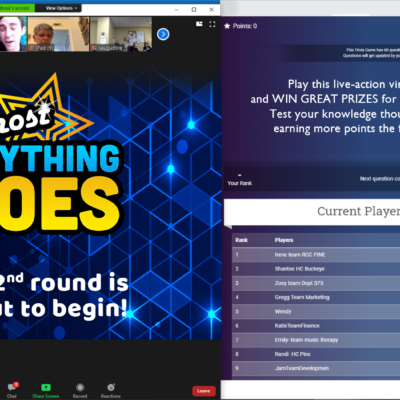
Looking for a way to celebrate Black History with your team? At TeamBonding, we strive to offer opportunities for companies to learn about diversity and inclusion. Check out our Diversity & Inclusion Programs here. One of our favorite activities to spotlight the diverse history and contributions of African American arts and artisans is our Almost Anything Goes Black History Month Trivia. In This activity we explore visual and performing arts, literature, fashion, film, music, and more!
Explore these 11 Inspiring Black History Poems
“New Day’s Lyric” by Amanda Gorman
 “New Day’s Lyric” was written by Amanda Gorman, the first-ever National Youth Poet Laureate. Gorman was chosen in 2020 by President Biden to read her poem “The Hill We Climb” for his inauguration in 2021. She uses poetry to reflect the current age of oppression, race, feminism, and marginalization. Just in time for 2022, Gorman released “New Day’s Lyric” on Instagram in honor of the new year and to inspire hope and change.
“I, Too” by Langston Hughes
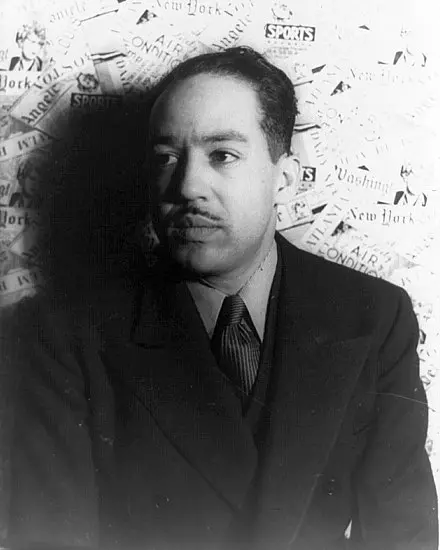 This famous poem was written by Langston Hughes, an important writer and figure during the time of the Harlem Renaissance, encapsulates the deep history of oppression and racism for black men living in America. Hughes uses poetry to speak out about this blatant discrimination in the 20th century and convey that despite his darker skin color and being constantly pushed aside by the white majority, he too is just as much an integral part of America. Although he speaks on the painful subject of racism, he still expresses that one day all will value the beauty and power of African American culture. Although written years ago, this poem embodies how the black community felt, and still feels here in America.
“Caged Bird” Maya Angelou
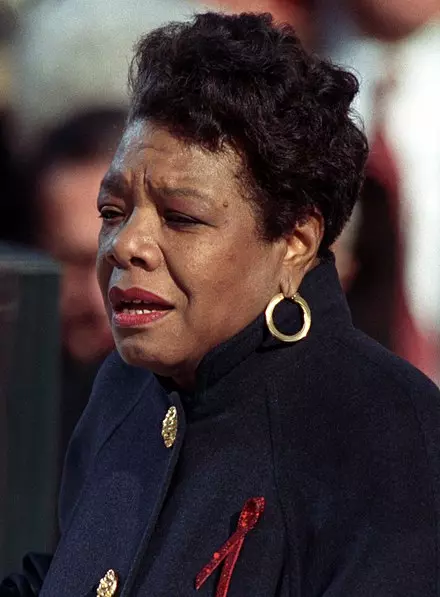
This poem, published in Maya Angelou’s 1983 poetry collection Shaker, Why Don’t You Sing? describes the different experiences of two birds. One is caged and suffers due to being held in captivity, while the other is free to live and roam the world with no restraints. Because of its harsh reality, the caged bird turns to sing and longs for freedom. With this metaphor, Angelou expresses the pain of oppression and the privilege that is our society.
“Primer for Blacks” by Gwendolyn Brooks
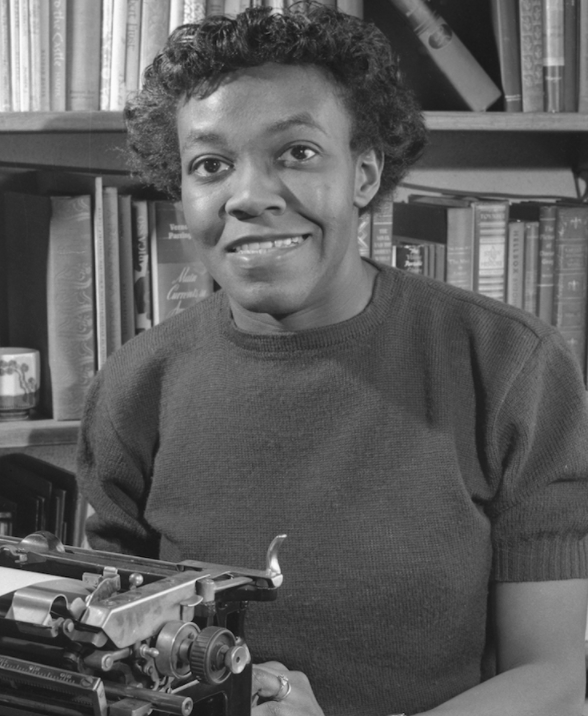
Gwendolyn Brooks was the first African American poet to win the Pulitzer Prize and is one of the most influential poets to come out of the 20th century. In this poem, she talks about how vital it is to accept one’s black heritage. By empowering the audience to do so, she believes that a better perception of self-worth will encourage a stronger and more unified future. She looks down on the fact that people may believe being white is a great thing and something for all to yearn for. Instead, she asserts that unless individual beliefs are changed, nothing will at all.
“For My People” by Margaret Walker
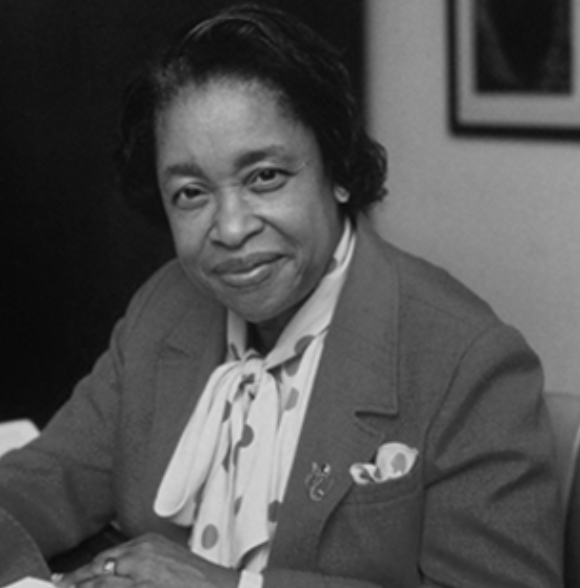
Margaret Walker, a poet and novelist from Birmingham, Alabama addresses the devastating history of slavery and the continuing effects of racism that were, and are, still endured by people of color. In this poem written in the 1930s, Walker yearns for a better future for children and people of color where equality and freedom will heal the wounds of the past. This collection of poetry awarded Walker as the first black woman to receive the Yale Series of Younger Poets award.
“Nina’s Blues” by Cornelius Eady
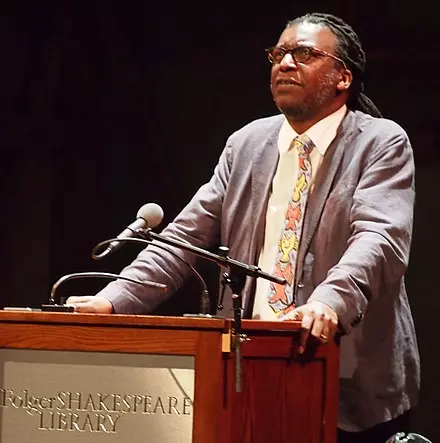
Cornelius Eady is an American writer from Rochester, New York who focuses most of his writing on jazz and the blues, life, and societal problems that often stem from race and class issues. Eady is a co-founder of Cave Canem, a national organization for Black poets and poetry. In this poem, he praises Nina Simone, a legendary singer and performer, and Civil Rights activist.
“Won’t you celebrate with me” by Lucille Clifton
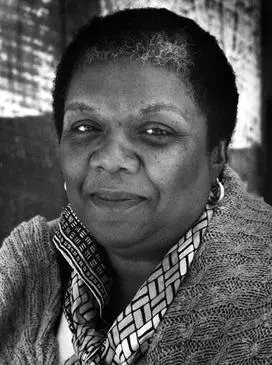 In this poem, self-love and perseverance are powerful and evident. Beginning with a call to action, Lucille Clifton, known for writing about gender and racial bias in society, asks her audience to celebrate her accomplishments with her. Despite being a prolific author of literature and renowned poet, she faced a great deal of prejudice and a lack of models to look up to as a black woman. At this time, TV, film roles, and important positions were largely given to white men leaving Clifton to wonder, “what did I see to be except myself”. She focuses on the idea that she herself is the only person responsible for the great accomplishments she has made throughout her life and calls the audience to look at how she got there and celebrate with her.
“Still I Rise” by Maya Angelou
This poem by Maya Angelou embodies the struggle of dealing with and overcoming racial oppression and prejudice. She dismisses her oppressors that might have thought they could stop her from achieving her goals. Its message is consistent with her other work and appeals who feels victim to anything and encourages them that they will rise up.
“Black is Beautiful” by Shannon D. Brown-Rogers
In this poem, Shannon D. Brown-Rogers tells a story of self-worth. In this simple, yet heartening poem, she expresses her love for the color of her skin. With the use of similes, she created a piece that speaks to the happy memories in life and reminds all that being black is as beautiful as all of those things. Reminding one’s self that beauty is a powerful message that resonates for all.
“Short Speech to My Friends” by Amiri Baraka
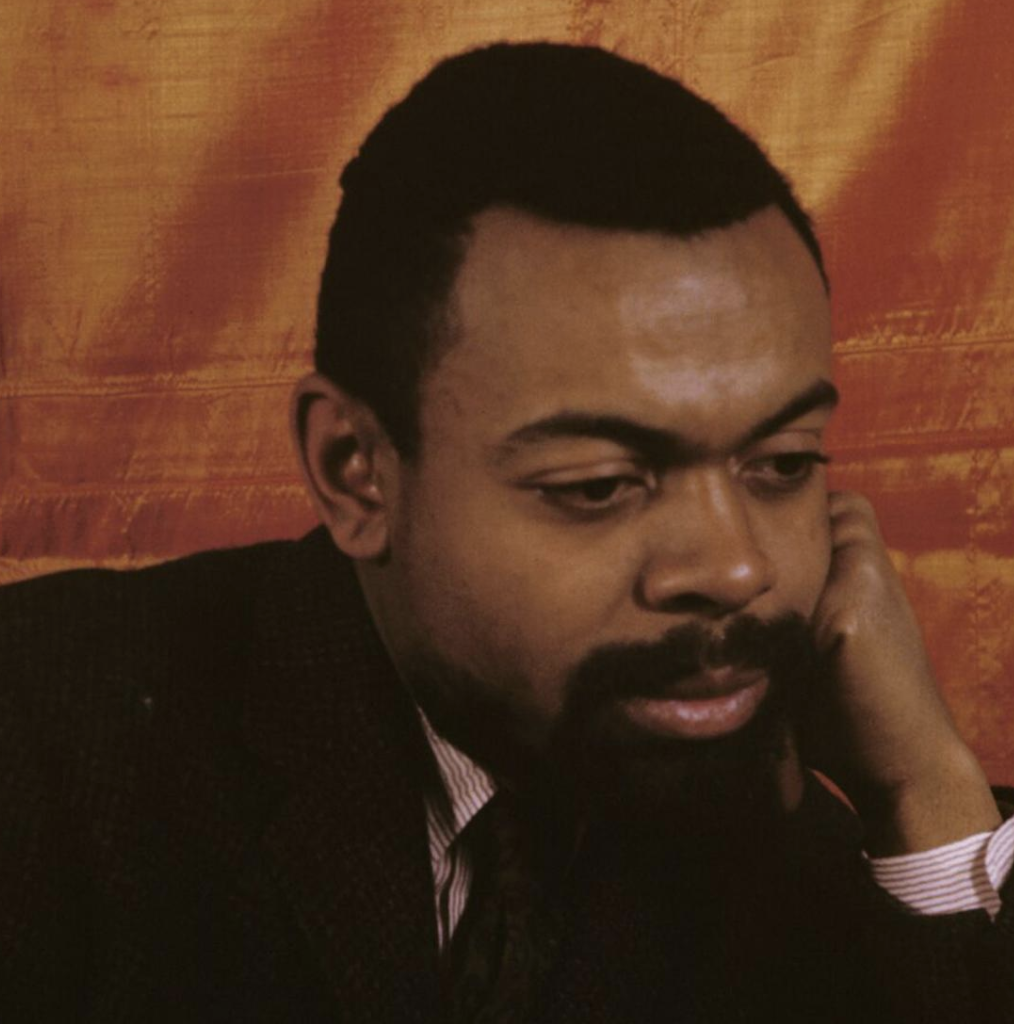
Amiri Baraka is a Black poet, activist, and scholar. The message of this poem is to raise the consciousness of people and for them to see the world and themselves more clearly. He expands on his belief that in order to move forward as a society we must learn from the oppression and minority of culture of African Americans.
“Green-Thumb Boy” by Marilyn Nelson
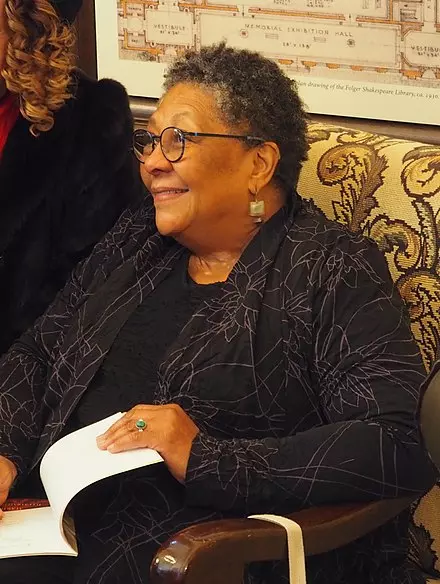
This poem was published in Marilyn Nelson’s collection Carver: A Life of Poems, written about George Washington Carver. Nelson has received several awards for her work including the Newbery Honor Book Award, a Michael L. Printz Honor Book Award, the Coretta Scott King Honor Book Award, and a Lee Bennett Hopkins Poetry Award. In this specific poem, Carver wishes to learn, help, and educate himself so that he is able to help the poor black farmers in the South. Throughout Carver’s life, he faced several injustices, none of which he let control the fate of his life and his desire to aid other people.
It is always important to celebrate culture in the workplace and for Black History month, we have created and tailored programs to do so. Explore parts of the Smithsonian National Museum of African American History & Culture with our Virtual Museum Scavenger Hunt program. We even offer African American history and culture-themed trivia and gameshows like Anything Goes Trivia or Jeopardy!® that will be sure to educate and engage your team.